


A WHOLE-PERSON APPROACH TO HEALING: Inside Made Well Center’s Vision for Sustainable Wellness
- 1 day ago
- 4 min read
At Made Well Center, wellness is viewed as something far deeper than the absence of symptoms—it is the ability to move through life with steadiness and a sense of connection to both mind and body. Rooted in an integrative, whole-person philosophy, the center brings together counseling, coaching, yoga therapy, nutrition support, and immersive healing experiences to create care that is personalized rather than prescriptive. We caught up with Buffy Andrews, founder of Made Well Center and a Licensed Clinical Social Worker with advanced training in brain health and functional wellness, to learn more about her philosophy of care and the inspiration behind the center. She also shared how a whole-person, trauma-informed approach helps clients move beyond simply managing symptoms to feeling truly supported, grounded, and empowered in their everyday lives.
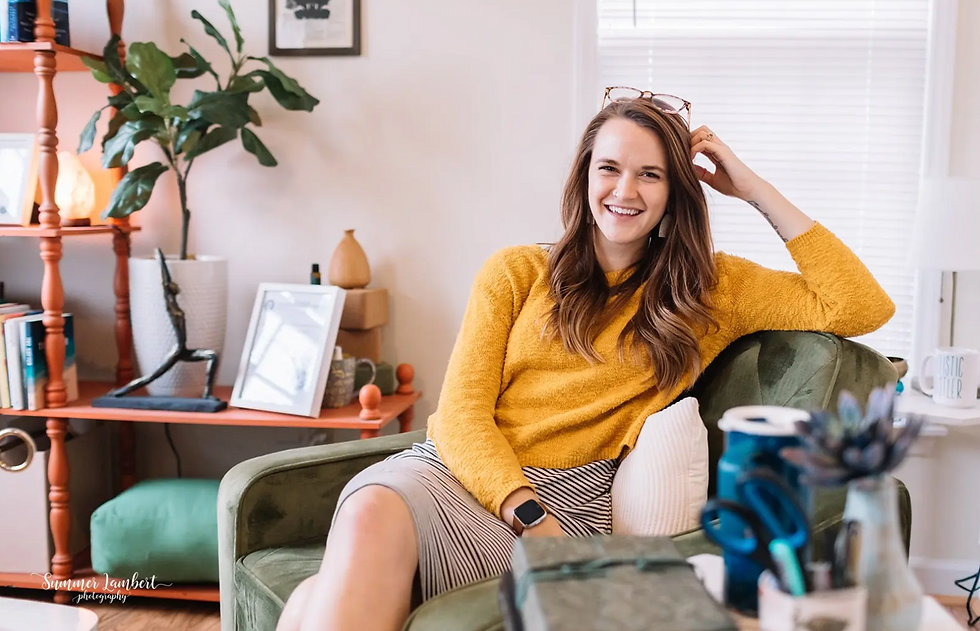
Made Well Center takes a whole-person approach to wellness. How do you define “being well,” and how is that philosophy reflected in the services you offer?
Being well, to me, isn’t the absence of stress or symptoms—it’s having the capacity and support to meet life with steadiness. It’s feeling grounded in your mind and body, connected in your relationships, and able to function day to day without burning out. That philosophy shows up in how we serve people: we don’t offer one-size-fits-all care. We match clients to what they actually need—counselling, coaching, immersive healing experiences, yoga therapy, nutrition support, or practical business-building support—often combining services to ensure the care is truly integrated. And we’re deeply committed to making that kind of whole-person care accessible, not just something reserved for people with time and money.
Many people are curious about the story behind the center. Can you share your professional background and what inspired you to found Made Well Center? What gap did you see in the community that you wanted to fill?
I am a Licensed Clinical Social Worker with a Master's in Social Work from UNCW. I also have training in Brain Health Professional, and I am a Board Certified Functional Wellness Practitioner. I was inspired to create the Made Well Center, in part from my own ADHD brain's need for entrepreneurship and creative outlet, but also out of a deep desire to cultivate change for our community by offering a space that does healing differently. I saw a need for more holistic, integrated care, and for a place with a group of professionals who all value these things and genuinely seek to call their clients into a space of empowered growth and healing.
What are some of the most common physical or emotional health challenges you see in the Wilmington community, and how are you helping clients address them in sustainable ways?
In Wilmington, I see a lot of chronic stress and trauma showing up as both emotional and physical symptoms—anxiety, burnout, sleep issues, digestive problems, headaches, and feeling constantly ‘on.’ Emotionally, many people are carrying heavy responsibilities—caregivers, first responders, working parents—often without enough support. We help clients address this sustainably by starting with what’s most stabilizing: nervous system regulation, better sleep and daily routines, and practical coping skills. Then we build from there with integrated care—therapy, coaching, yoga therapy, nutrition support, and deeper healing intensives when appropriate—so clients aren’t just managing symptoms, they’re building capacity.
For someone new to integrative or holistic wellness, what can they expect from their first visit, and how do you tailor care to each individual?
For someone new to integrative or holistic wellness, the first visit usually feels surprisingly grounded and practical. We start by listening—what’s bringing you in, what you’ve tried, what’s working, and what’s been hard. We look at the whole picture: stress levels, sleep, energy, mood, relationships, and any physical symptoms—because they’re often connected. From there, we co-create a simple plan with clear next steps. Depending on your needs, that might mean counseling, coaching, yoga therapy, nutrition support, or a deeper immersion—sometimes a combination. We tailor care by meeting you where you are: your goals, your pace, your budget, your schedule, and what feels safe. The aim is to make healing feel doable and sustainable, not overwhelming.





Wellness trends come and go. How do you balance evidence-based practices with innovative therapies to ensure clients receive safe, effective care? I’m very mindful that wellness can get trend-driven, so we start with a simple standard: safety first (all of our clinicians are trauma trained/informed), evidence always, and innovation only when it’s appropriate for the person in front of us. We rely on well-established, evidence-based approaches as the foundation—things like clinically sound mental health interventions (somatic IFS/EMDR/CBT/DBT/Sensorimotor Psychotherapy), behavior change strategies, and the basics that consistently move the needle: sleep, stress regulation, nutrition, and supportive routines.
When we introduce newer or more innovative therapies, we do it thoughtfully. We assess the quality of the available research, screen for contraindications, and ensure it aligns with the client’s goals and comfort level. We also value and track the client's perception of their quality of life and often assess it during sessions or between sessions via our client progress surveys. We’re not chasing a shiny new tool; in fact, if anything, we really try to help our clients return to the basics of their care/capacity and build strong foundations. If something isn’t helping, we adjust. That balance keeps care both progressive and responsible: clients benefit from integrative options without sacrificing effectiveness or safety.


Comments